

THE SUFFERING OF HENS
VOTE TO END
AND GET THE PRIZE!
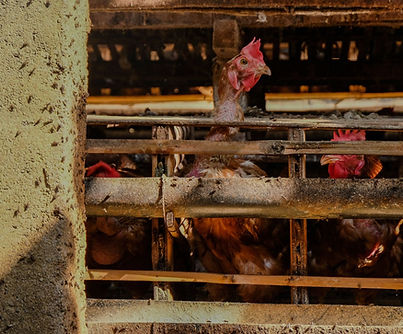
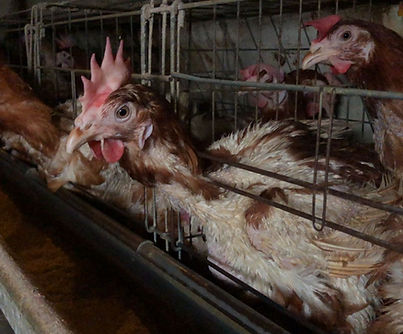
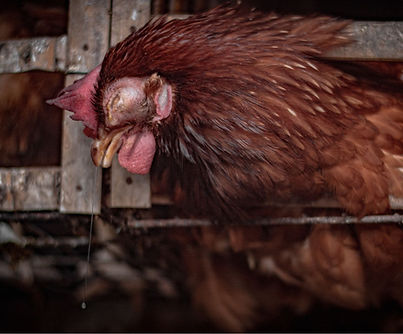
END NARROW CAGES AWARDS
Highlighting the gap between companies’ promises to stop using eggs from hens confined in cages and the reality of their practices. Because animals deserve real, tangible change.
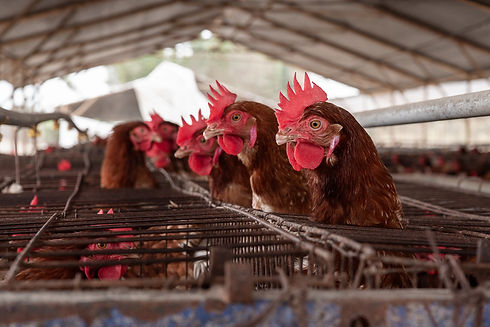
*Penafian: Ilustrasi peternakan industri telur
CAGE-FREE COMMITMENT
AND ITS PRACTICE
A cage-free commitment is a company’s pledge or policy to source eggs exclusively from cage-free systems, meaning hens are not confined in narrow battery cages, typically with a defined timeline to reach 100% implementation.
In practice, this commitment means a company should:
-
Stop sourcing eggs from hens kept in cramped battery cages.
-
Source eggs only from cage-free farms, where hens are able to move freely, spread their wings, dust-bathe, and express natural behaviors.
-
Report progress transparently to the public.
In this context, Marriott, Millennium Hotels, IKEA and Autogrill HMS Host have publicly committed to sourcing 100% cage-free eggs by 2025. However, to date, their implementation percentages have not been publicly disclosed.
THE NOMINEES
Companies that have already publicly reported their 100% cage-free
implementation will be disqualified from the list.
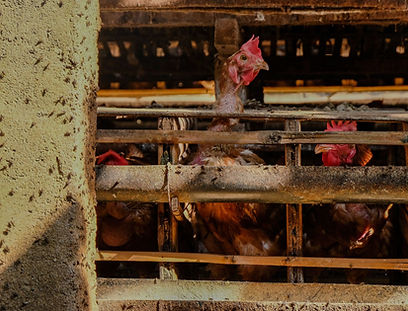
*Disclaimer: Illustrative image of standard egg farms.
MILLENIUM
As stating in their commitment, Millennium is aware of sustainable food pratices and pledged to source 100% cage-free eggs throughout their entire global operations: all owned, managed and franchised properties by the end of 2025. Yet, not a single report has been made until now.
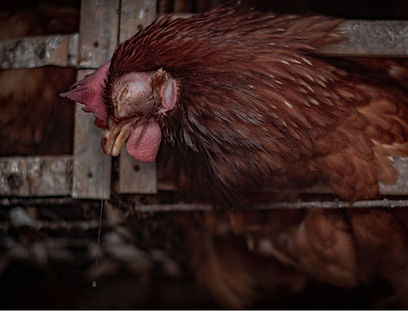
*Disclaimer: Illustrative image of standard egg farms.
MARRIOT
With more than 1900 properties around the world, the giant hospitality like Marriott would impact a billion lives of hens. They committed to fulfill 100% cage-free by the end of 2025, but even in 2026, their cage-free implementation is being questioned.
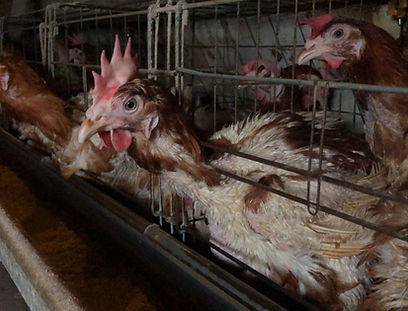
*Disclaimer: Illustrative image of standard egg farms.
IKEA
In 2024, IKEA reports being 100% cage-free, yet this claim only cover 60% of its entire food supply. Call on IKEA to fully fulfill its cage-free commitment by ensuring that all eggs used across its operations are truly cage-free and transparently reported.
WHY DO WE NEED TO GET RID OF CAGES

Lack of space
Up to 12 hens can be crammed together into one small cage. This usually means each one of them has a space smaller than an A4 sheet of paper to spend their whole lives in.

Frustration
They cannot express their natural behaviors, such as spreading their wings, walking freely, or nesting.
This deprivation leads them to feel constantly frustrated.

Pain
They tend to have bone diseases such as osteoporosis, making them prone to fractures and deformations. They stand on the cage metal grid, which hurts their feet.

Death
Sometimes, dead hens are left to rot for days, forcing the surviving hens to live next to the decaying bodies of their peers. Hens are often kept in tiny cages with their droppings accumulating beneath them.

Public health
The European Food Safety Authority (EFSA) has concluded that cage systems have a higher prevalence of Salmonella compared to cage-free systems.

Beak trimming
Trimming chicken beaks is a common practice in the egg industry. The consequences in some chickens is that it generates neuromas with chronic pain throughout their lives.
If you are a company listed, please fill out this form
to disqualify your companies from End Narrow Cages Awards.